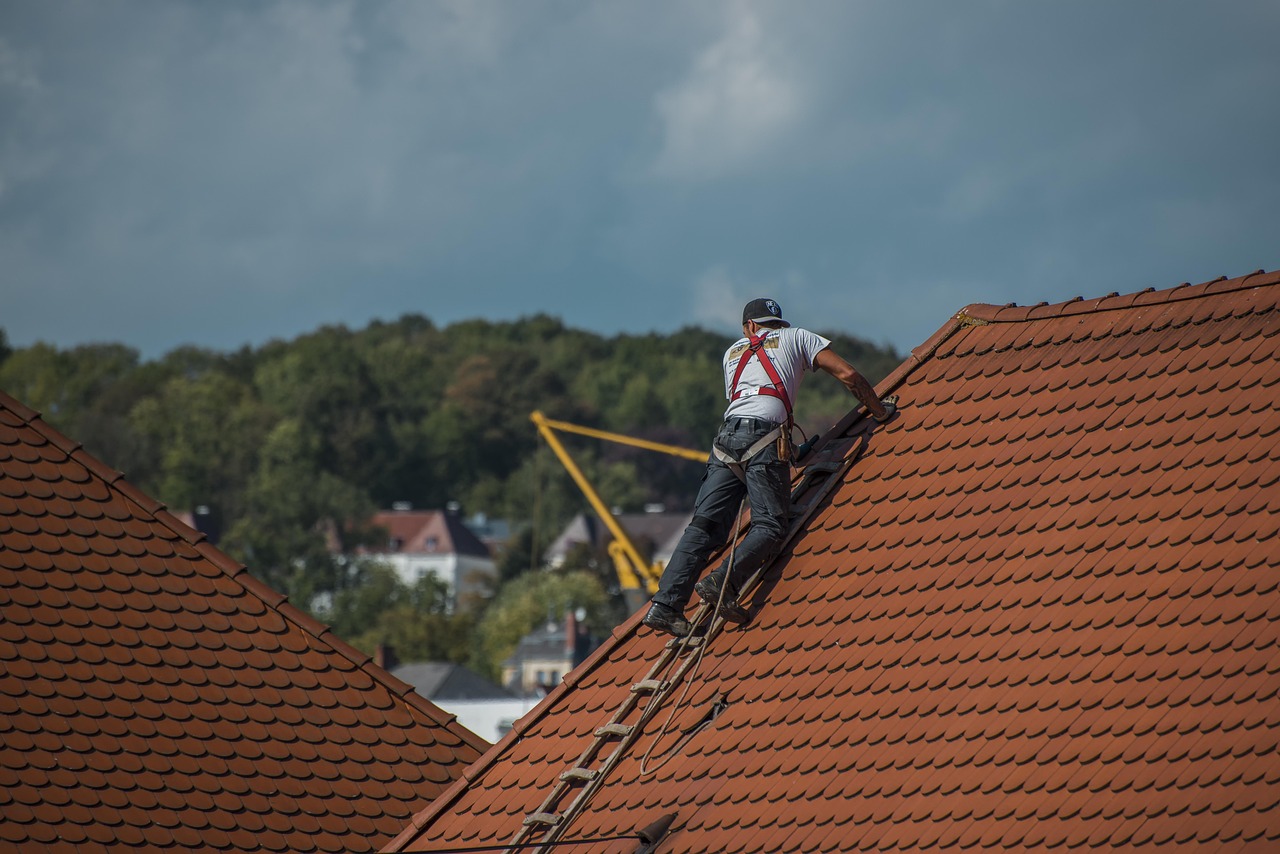
In the dynamic landscape of restaurant management, ensuring a robust and resilient roofing system is paramount. Toronto commercial roofing demands a special consideration due to the city's diverse climate, from harsh winters to humid summers. The constant exposure to these elements can take a toll on any roofing material, posing significant challenges for restaurant owners. A poorly maintained roof can lead to costly leaks, structural damage, and even health hazards, impacting business continuity and customer experience. This article delves into effective strategies for safeguarding restaurant investments through robust roofing solutions tailored to Toronto's unique environmental conditions.
- Understanding Restaurant Roofing Requirements in Toronto
- Choosing Durable Materials for Commercial Roofs
- Installation, Maintenance, and Safety Best Practices
Understanding Restaurant Roofing Requirements in Toronto
Roofing for restaurants in Toronto requires a unique blend of durability, functionality, and aesthetic appeal to withstand the city's diverse weather patterns and ensure a safe, inviting dining environment. Toronto, with its four distinct seasons, experiences everything from snowy winters to humid summers, putting significant stress on commercial roofing systems. Unlike residential roofs, which often have steeper inclines, low-slope commercial buildings in Toronto demand specialized attention to prevent water infiltration and extend the lifespan of the roof.
When it comes to choosing a roofing material for restaurants, property owners and managers should opt for long-lasting, high-quality options that can handle constant exposure to ultraviolet rays, extreme temperatures, and potential ice damage. Membrane roofing systems, including EPDM (Ethylene Propylene Diene Monomer) and TPO (Thermoplastic Olifin Polyolefin), are popular choices for low-slope commercial buildings in Toronto due to their flexibility, durability, and energy efficiency. These materials offer excellent resistance to puncture, tear, and UV degradation, ensuring the roof remains intact even under heavy loads, like snow or wind. Moreover, proper installation and regular maintenance can extend the lifespan of these systems by preventing leaks and minimizing repair needs.
Commercial roofing design guidance in Toronto emphasizes the importance of efficient drainage systems and robust flashing around vents and penetrations to prevent water damage. According to industry reports, a significant portion of commercial roof failures is attributed to poor drainage or incorrect flashings. For instance, a study by the Toronto Building Code Department revealed that proper roof drainage reduced the risk of roof leaks by 75% in buildings over 30 years old. To ensure optimal performance, property owners should engage with reputable toronto-commercial-roofing specialists like Crown Industrial Roofing at 227 Queens Plate Dr, Unit 3, Etobicoke, ON M9W 6Z7, (416) 744-7788. They offer expert advice tailored to the unique challenges of commercial roofing in Toronto, including repairs for low-slope systems and guidance on design enhancements that can prevent costly future replacements.
Choosing Durable Materials for Commercial Roofs
When it comes to roofing for restaurants, particularly in Toronto's vibrant culinary scene, choosing durable materials is paramount. Not only does a robust commercial roof protect your investment from the relentless urban elements but it also ensures uninterrupted business operations, which is crucial for any restaurant. In this competitive market, where dining experiences are constantly evolving, a reliable and long-lasting roof can be a game-changer.
Toronto-commercial-roofing specialists like Crown Industrial Roofing • Unit 3, 227 Queens Plate Dr, Etobicoke, ON M9W 6Z7 • Phone: (416) 744-7788 understand the unique challenges that historic buildings face. For older restaurants with architectural character, selecting materials that complement the existing structure while offering superior protection is essential. This often involves custom solutions and an in-depth understanding of green roofing options in Toronto, such as eco-friendly membranes and energy-efficient ventilation systems.
Beyond aesthetics and sustainability, the choice of materials directly impacts a building's energy efficiency. For instance, reflective coatings on metal roofs can reduce interior temperatures during hot summers, thereby lowering cooling costs. Additionally, Toronto's diverse weather patterns necessitate robust materials that can withstand snow, ice, high winds, and occasional extreme temperatures. A comprehensive commercial roofing service should offer expertise in navigating these challenges, ensuring not just a sturdy roof but also one that adapts to the evolving needs of the restaurant industry.
Installation, Maintenance, and Safety Best Practices
For restaurants, roofing isn't just about shelter; it's a critical component of creating an inviting atmosphere for patrons. In Toronto, where weather can be unpredictable, a well-installed and maintained commercial roof is essential to protecting your business from the elements. This section delves into the best practices for roofing installations, maintenance, and safety specific to commercial properties in Toronto, highlighting key considerations for restaurant owners.
Installation begins with choosing the right materials – reinforced, waterproof membranes designed for high traffic areas and extreme weather conditions are paramount. Local commercial roofing companies in Toronto like Crown Industrial Roofing • Unit 3, 227 Queens Plate Dr, Etobicoke, ON M9W 6Z7 • Phone: (416) 744-7788 emphasize the importance of a solid base and proper flashing to prevent water intrusion. A leak-free roof is non-negotiable for any restaurant, as even minor infiltrations can cause significant damage over time.
Regular maintenance is crucial for extending roof lifespan and ensuring optimal performance. This includes semi-annual inspections to identify wear and tear, cleaning gutters of debris to prevent clogs, and repairing or replacing damaged components promptly. According to industry data, proper business roofing maintenance in Toronto can reduce the need for major repairs by up to 30%. For instance, a proactive approach could save a restaurant from costly interior damage during a severe storm.
Safety is paramount on any commercial roofing project. Restaurants should ensure compliance with local building codes and regulations regarding access, fall prevention, and worker safety, especially when hiring local commercial roofing companies in Toronto. Proper equipment, secure ladders, and trained personnel are vital to avoid accidents. Remember, the roof's integrity not only safeguards your investment but also your patrons' experience.
By understanding the unique roofing requirements in Toronto, restaurant owners can make informed decisions regarding their commercial roofing needs. Choosing durable materials, such as metal or high-quality asphalt, ensures longevity and protection against the city's diverse weather conditions. Proper installation, regular maintenance, and adherence to safety best practices are paramount. This includes addressing leaks promptly, conducting thorough inspections, and ensuring the safety of maintenance personnel. Investing in robust toronto-commercial-roofing strategies not only protects the structural integrity of restaurants but also contributes to their operational efficiency and long-term success.
Roofing for Toronto restaurants requires durable, functional, and aesthetically pleasing materials to withstand the city's diverse weather. Membrane systems like EPDM and TPO are popular choices for low-slope commercial buildings. Efficient drainage systems and robust flashing are crucial for preventing water damage.
Toronto-commercial-roofing specialists like Crown Industrial Roofing offer expert advice tailored to the unique challenges of commercial roofing, including repairs and design enhancements. A reliable roof is vital for uninterrupted business operations and can be a game-changer in a competitive market.
Best practices for roofing installations and maintenance include choosing the right materials, proper flashing, regular inspections, and proactive maintenance to reduce repair needs. Safety is paramount, with compliance with local building codes and regulations regarding access, fall prevention, and worker safety.